What are the applicable scenarios of needle flame tester
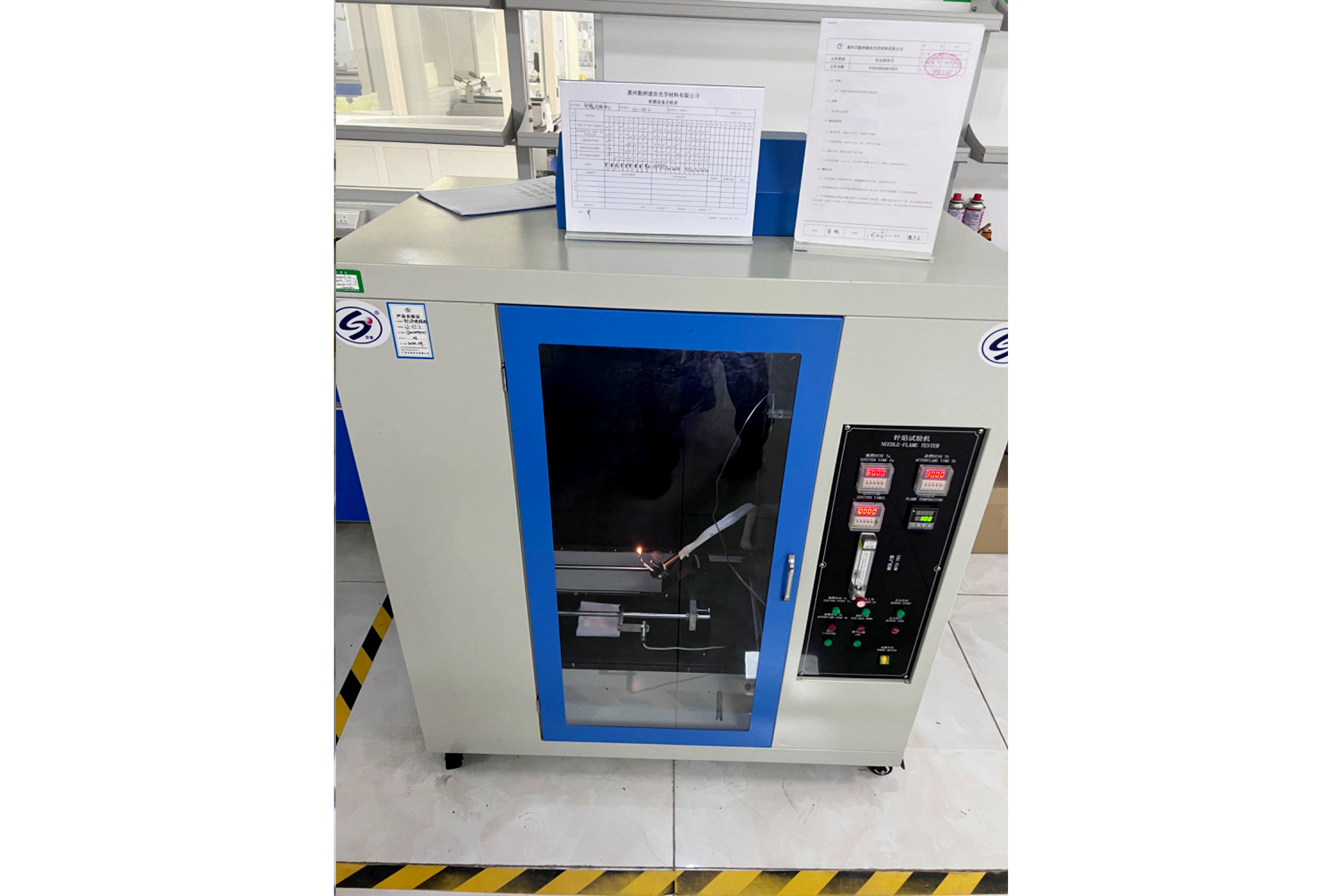
Needle flame tester is a specialized detection device that simulates the small flame ignition situations that products may encounter in actual use. It is mainly used to evaluate the needle flame combustion performance, flame retardant characteristics, and flame spread trend of materials or finished products. Its applicable scenarios cover product quality and safety testing in multiple industries,
Needle flame tester is a specialized detection device that simulates the small flame ignition situations that products may encounter in actual use. It is mainly used to evaluate the needle flame combustion performance, flame retardant characteristics, and flame spread trend of materials or finished products. Its applicable scenarios cover product quality and safety testing in multiple industries, as follows:
1. Electrical and electronic industry
This is the core application area of the needle flame tester. Used for detecting components, insulation materials, and casings of various electrical equipment, such as plastic components of switches and sockets, insulation layers of wires and cables, insulation parts of motors, casings and internal structural components of household appliances, etc. The purpose of testing is to verify whether these components will not ignite when encountering small flames generated by circuit short circuits, arc discharges, etc., or whether the flames can extinguish on their own within a specified time after ignition, in order to avoid causing electrical fires.
2. In the field of automotive industry
Suitable for flame retardant testing of automotive interior and related electrical components, including plastic parts of automotive instrument panels, seat fabrics, door interior panels, car charger housings, and insulation layers of car wiring harnesses. The interior space of a car is enclosed, and once a component is ignited by a small flame, it is highly likely to cause a safety accident. Therefore, needle flame testing is required to ensure that the material meets the flame retardant standards.
3. In the field of rail transit
For the inspection of interior materials and electrical components of rail transit vehicles such as trains and subways, such as seats, floor leather, ceiling panels, lighting equipment enclosures, electrical control cabinet components, etc. inside the carriages. Rail transit vehicles have a large passenger capacity and strict safety standards. Needle flame testing can ensure the flame retardant safety of these components when they come into contact with small sources of fire such as electric sparks, reducing fire hazards.
4. Aerospace field
Used for detecting non-metallic materials and small electrical components inside aircraft and spacecraft, such as decorative panels in the cabin, seat materials, shells and insulation components of aviation electronic equipment, etc. The aviation environment is special, and the flame retardant performance of materials is directly related to flight safety. Needle flame testing is an important part of evaluating its fire safety.
5. Building materials and furniture industry
Suitable for testing some indoor decoration materials and furniture components, such as surface coatings of wooden furniture, decorative plastic sheets, curtain fabrics, carpets, etc. Especially for furniture and building materials used in public places, their flame retardancy when exposed to small sources of fire must be verified through needle flame testing, in compliance with fire safety regulations.
6. Toy and children's products industry
Conduct testing on plastic shells of children's toys and internal components of electronic toys. Children may come into contact with fire sources or internal circuit faults in toys during play, which can produce small flames. Needle flame testing can ensure that toy materials are not easily ignited, ensuring the safety of children's use.



 WeChat number:
 Home
Home
 Product
 Wechat
 Telephone