Briefly explain the preparation process of F46 polyimide film
The core of preparing F46 polyimide film is to combine F46 (tetrafluoroethylene hexafluoropropylene copolymer) with polyimide (PI) through a composite process, which needs to match the characteristics of the two materials (PI is heat-resistant but difficult to process, F46 is easy to melt but needs to rely on PI reinforcement). The mainstream process can be simplified into four key steps:
The core of preparing F46 polyimide film is to combine F46 (tetrafluoroethylene hexafluoropropylene copolymer) with polyimide (PI) through a composite process, which needs to match the characteristics of the two materials (PI is heat-resistant but difficult to process, F46 is easy to melt but needs to rely on PI reinforcement). The mainstream process can be simplified into four key steps:
1. Substrate pretreatment
PI substrate: First, prepare a pure PI film (usually using the "solution casting method" - coating the PI precursor solution on the carrier and curing it into a film through high-temperature imidization), and then perform plasma or chemical treatment on its surface to enhance its adhesion with F46;
F46 raw material: Melt and extrude F46 resin into a thin film, or make F46 dispersion liquid (for subsequent coating), remove impurities to ensure purity.
2. Composite molding
The core is to tightly bond the two substrates, and there are two mainstream methods:
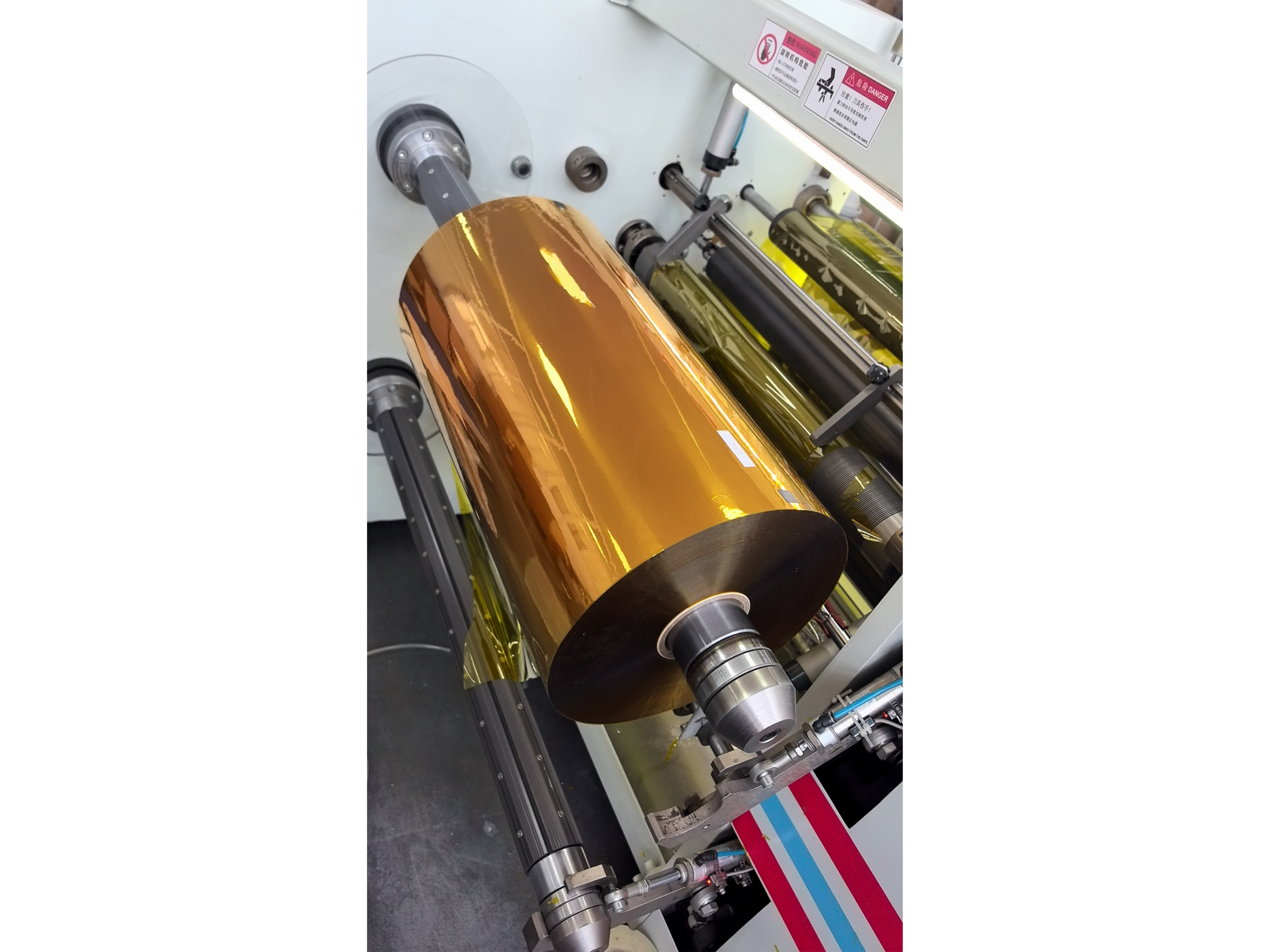
Hot press lamination: The PI film is laminated with the F46 film and hot pressed at high temperature (200-260 ℃, matching the melting temperature of F46) and high pressure to melt F46 and bond it to the PI surface. After cooling, a double-layer/multi-layer composite film is formed;
Coating composite: Evenly coat the F46 dispersion on the surface of PI film, and then dry it at low temperature (remove solvent) and melt it at high temperature (form F46 film and bond it with PI) to form a single-sided/double-sided F46 coating composite film.
3. Post processing
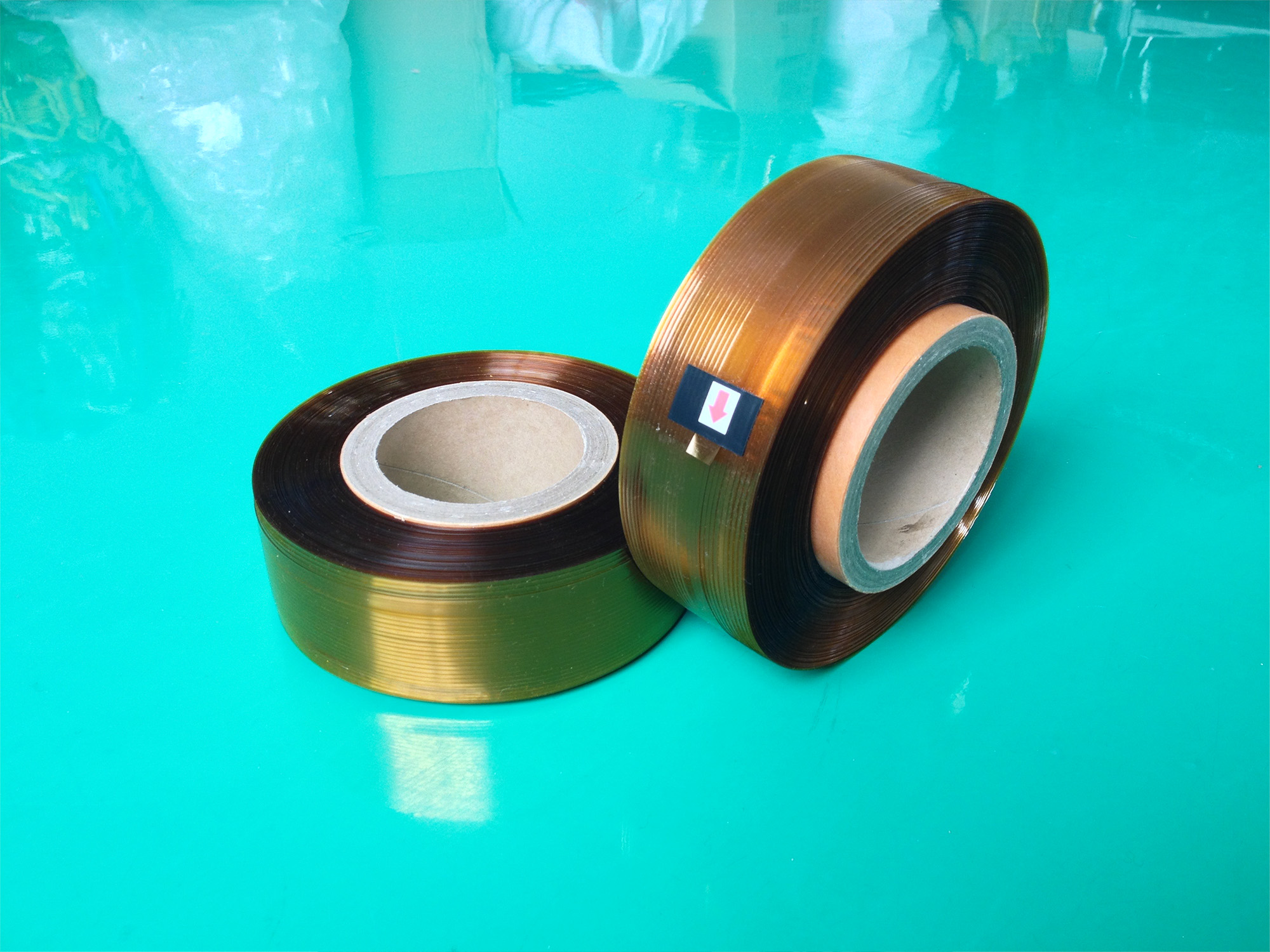
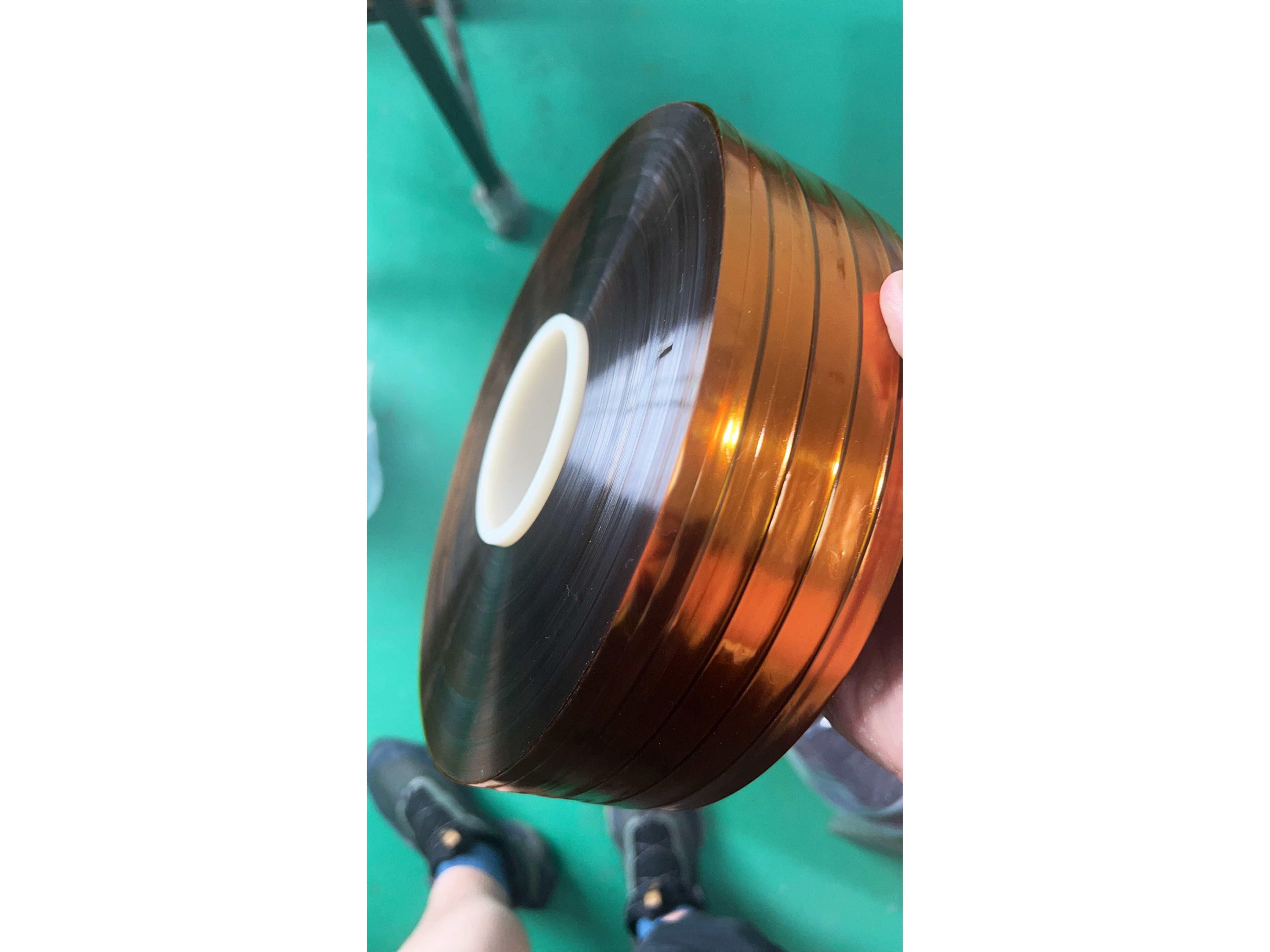
Stretch and shape the composite film (to control thickness uniformity and improve mechanical strength), high-temperature annealing (to eliminate internal stress and enhance dimensional stability), and in some scenarios, cutting and slitting to the target specifications are required.
4. Performance testing
Detect key indicators such as high and low temperature resistance, insulation strength, adhesion, and corrosion resistance, screen qualified products, and ensure compliance with higher standards for use in various fields.



 WeChat number:
 Home
Home
 Product
 Wechat
 Telephone